
Why Some Water Pumps Fail Within 6 Months (Manufacturer Truth)
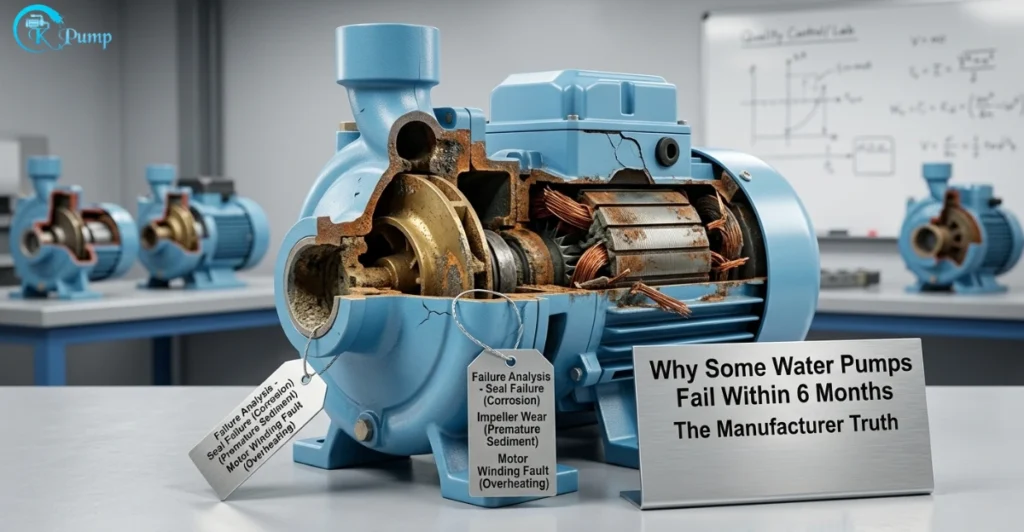
Many people purchase a new water pump expecting years of reliable performance. They assume that once the pump is installed, it will continue working without any major issues. Unfortunately, this is not always the case.
Some water pumps begin showing problems within just a few months. Water flow becomes weaker, electricity bills increase, unusual noises appear, and sometimes the motor stops working completely.
This often leaves customers wondering why one pump lasts for many years while another fails within six months.
The truth is that early pump failure usually happens because of a combination of manufacturing quality, component selection, installation practices, and maintenance habits. This is why choosing a high quality water pump manufacturer becomes extremely important. A well-manufactured pump is designed to deliver reliable performance, better efficiency, and a longer service life.
Understanding these factors can help buyers choose better products and avoid expensive mistakes.
In this guide, we will explain the real reasons why some water pumps fail early and what you should look for when purchasing a pump.
Understanding Water Pump Lifespan
A water pump is designed to move water efficiently and continuously. Whether it is used in homes, industries, agriculture, or commercial buildings, it should perform consistently under normal operating conditions.
However, not all pumps are built to the same standard.
Two pumps may appear almost identical from the outside, yet their internal quality can be completely different. The materials used, engineering standards followed, and testing procedures performed before delivery all influence how long a pump will last.
This is why some pumps continue operating smoothly for years while others begin failing shortly after installation.
Low Manufacturing Quality Is a Major Reason
One of the biggest causes of early pump failure is poor manufacturing quality.
Some manufacturers focus primarily on reducing production costs. To achieve lower prices, they may use cheaper materials, low-grade components, and simplified manufacturing processes.
Initially, these pumps may seem to work properly. However, after regular use, internal parts begin wearing out faster than expected.
Poor manufacturing quality often results in reduced efficiency, higher energy consumption, leakage issues, excessive vibration, and premature breakdowns.
A high-quality pump is built with durability in mind. Better materials and stricter quality control standards help ensure reliable long-term performance.
Why Motor Winding Quality Matters
The motor is often called the heart of a water pump.
Inside the motor, winding is responsible for converting electrical energy into mechanical movement. Because of this, Motor Winding Quality has a direct impact on performance, efficiency, and lifespan.
High-quality copper winding allows electricity to flow more efficiently through the motor. This reduces energy loss and helps maintain stable operation.
When low-quality winding materials are used, the motor generates more heat and consumes more electricity. Over time, excessive heat damages insulation and weakens motor performance.
Many pumps that fail within six months suffer from poor winding quality that gradually leads to motor burnout.
Overheating Issues Often Start Small
Most pump failures do not happen suddenly.
In many cases, the first warning sign is excessive heat. Unfortunately, many users ignore this problem until the pump stops working completely.
Overheating Issues can damage multiple internal components, including motor winding, bearings, seals, and electrical insulation.
Several factors contribute to overheating. Poor motor design, inadequate cooling, excessive workload, and low-quality internal parts can all increase operating temperatures.
A pump that consistently runs hot is usually signaling that something is wrong internally.
Addressing overheating early can prevent major failures later.
Cheap Components Create Long-Term Problems
Many low-cost pumps achieve their price advantage by using cheaper internal components.
These may include lower-grade bearings, seals, impellers, and electrical parts.
While these components may function initially, they often wear out quickly under regular operating conditions.
The result is reduced water flow, increased maintenance requirements, and a higher likelihood of breakdowns.
This is one reason why extremely cheap pumps frequently become expensive over time.
Although quality pumps may cost more initially, they generally provide better long-term value through improved reliability and lower repair costs.
Incorrect Installation Can Damage Any Pump
Even the best pump can fail if it is installed incorrectly.
Improper installation places unnecessary stress on the entire system and reduces efficiency.
Common installation mistakes include improper pipe sizing, poor alignment, weak electrical connections, and inadequate water supply conditions.
These issues force the motor to work harder than intended.
As a result, internal wear increases, operating temperatures rise, and pump life decreases.
Professional installation significantly improves performance and helps prevent early failure.
Running a Pump Without Water Causes Serious Damage
Water pumps are designed to move water.
When a pump runs without water, a condition commonly known as dry running occurs.
Without water flowing through the system, critical internal parts lose cooling and lubrication. This quickly increases friction and heat.
Dry running can damage seals, bearings, impellers, and motor components within a short period.
Many pumps that fail prematurely have experienced repeated dry-running situations.
Preventing dry running is one of the simplest ways to extend pump lifespan.
Poor Water Quality Can Reduce Pump Life
Water quality plays a bigger role than many people realize.
Water containing excessive sand, dirt, or abrasive particles creates additional wear on internal components.
Impellers gradually lose efficiency, seals deteriorate faster, and bearings experience increased friction.
Over time, this constant wear reduces performance and shortens the life of the pump.
Selecting a pump that matches local water conditions is important for long-term reliability.
Water Pump Maintenance Is Often Ignored
Many people install a pump and then forget about it until a problem occurs.
However, regular Water Pump Maintenance is essential for maintaining performance and preventing unexpected failures.
Routine inspections help identify small issues before they become major problems.
Simple maintenance practices such as cleaning, checking electrical connections, monitoring performance, and inspecting for leaks can significantly improve pump lifespan.
A well-maintained pump generally operates more efficiently and experiences fewer breakdowns.
Choosing the Wrong Pump Creates Constant Problems
Not every water pump is suitable for every application.
Using a small domestic pump for heavy industrial work can overload the motor and accelerate wear.
Likewise, using an oversized pump for a small application may reduce efficiency and increase operating costs.
The correct pump should always be selected based on water depth, pressure requirements, flow rate, operating hours, and application type.
Proper selection helps ensure efficient and reliable operation.
How Pumps Are Tested Before Shipping
Many customers never ask manufacturers about testing procedures.
However, understanding How Pumps Are Tested Before Shipping is one of the best ways to evaluate product quality.
Professional manufacturers perform extensive testing before a pump leaves the factory.
These tests verify water flow performance, pressure output, motor operation, electrical safety, leakage protection, and overall reliability.
Testing helps identify defects before the customer receives the product.
Manufacturers that follow strict testing standards typically experience fewer product failures and higher customer satisfaction.
How to Identify a Genuine Water Pump Manufacturer
Many buyers struggle to determine whether a manufacturer is trustworthy.
Understanding How to Identify a Genuine Water Pump Manufacturer can help avoid low-quality products.
A genuine manufacturer focuses on engineering, quality control, and customer support rather than competing only on price.
Reliable manufacturers provide clear specifications, proper warranties, consistent quality standards, and transparent product information.
They also invest in testing, research, and long-term product improvement.
These characteristics usually indicate a company committed to quality.
Why Choosing the Right Water Pump Supplier Matters
A quality product is important, but so is the supplier.
An experienced Water Pump Supplier helps customers choose the correct product based on their specific needs.
Different applications require different pump designs.
A knowledgeable supplier understands factors such as pressure requirements, flow rates, water conditions, and installation environments.
This guidance reduces purchasing mistakes and improves long-term satisfaction.
The Hidden Cost of Low Prices
Many buyers focus entirely on the initial purchase price.
While this may seem logical, it often creates higher costs later.
A low-cost pump may require more repairs, consume more electricity, and need replacement much sooner than a higher-quality alternative.
When long-term ownership costs are considered, quality pumps often provide significantly better value.
Looking beyond the initial price helps customers make smarter decisions.
Warning Signs of Early Pump Failure
Most pumps provide warning signs before complete failure occurs.
Reduced water flow, increasing electricity consumption, unusual vibration, excessive noise, frequent tripping, and abnormal heat generation are all indicators that something may be wrong.
Ignoring these symptoms often allows small issues to develop into major repairs.
Addressing problems early usually reduces repair costs and extends pump life.
Why Quality Manufacturing Makes the Biggest Difference
Although many factors influence pump lifespan, manufacturing quality remains one of the most important.
A properly designed, carefully assembled, and thoroughly tested pump is much more likely to provide years of reliable service.
Quality manufacturing improves efficiency, durability, safety, and overall performance.
This foundation allows the pump to withstand daily operating conditions more effectively.
Conclusion
Understanding why some water pumps fail within six months helps buyers make better purchasing decisions.
Early failures are often caused by poor manufacturing standards, weak Motor Winding Quality, Overheating Issues, improper installation, lack of Water Pump Maintenance, and insufficient testing procedures.
Fortunately, most of these problems can be avoided.
Choosing a trusted manufacturer, working with an experienced Water Pump Supplier, understanding How Pumps Are Tested Before Shipping, and learning How to Identify a Genuine Water Pump Manufacturer all contribute to better long-term performance.
A water pump should never be viewed as a short-term purchase. It is an investment in reliable water supply, energy efficiency, and long-lasting performance.
When quality comes first, reliability usually follows.