GET INSTANT ONLINE QUOTATION ON WHATSAPP :  

+91 79848 29257

Water Pump Efficiency Calculation

Water Pump Efficiency Calculation: How to Measure Performance

Water Pump Efficiency Calculation How to Measure Performance

If you are using a water pump at home, farm, or factory, one question always matters — is your pump working efficiently or wasting electricity? Choosing a reliable water pump supplier also plays an important role, because the quality of the pump directly affects its performance and efficiency.

This is where water pump efficiency calculation becomes important. It helps you understand how well your pump is converting electrical power into useful water flow. A trusted water pump supplier will always guide you in selecting an efficient pump that matches your requirement.

In simple words, efficiency tells you whether your pump is doing its job properly or not.

If you ignore this, you may face problems like high electricity bills, low water pressure, and frequent breakdowns. That’s why buying from a dependable water pump supplier and checking efficiency both are important for long-term performance.

What is Water Pump Efficiency?

Water pump efficiency means how much useful work your pump is doing compared to the energy it consumes.

A pump takes electrical power and converts it into water movement. But not all energy is used properly. Some energy is lost due to heat, friction, and internal resistance.

A high-efficiency pump gives more output with less power. A low-efficiency pump wastes energy and costs you more money.

Why Efficiency Calculation is Important

Many people install a pump and forget about its performance. But over time, efficiency can reduce.

This leads to common problems like:

Low water flow, overheating, and high electricity consumption are signs that your pump is not working efficiently.

Understanding pump performance measurement helps you:

  • Save electricity
  • Increase pump life
  • Avoid frequent repairs

Basic Formula of Water Pump Efficiency

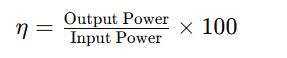
Efficiency is calculated using a simple formula:

Efficiency is calculated
Here:

  • Output Power = useful water energy
  • Input Power = electrical energy used

The result is shown in percentage.

For example, if your pump has 70% efficiency, it means 70% energy is used properly and 30% is wasted.

How to Measure Water Pump Performance

To calculate efficiency correctly, you need to measure a few things.

Flow Rate (Water Output)

Flow rate means how much water your pump delivers in a specific time.

It is usually measured in liters per minute or cubic meters per hour.

Higher flow rate means better output, but it should match your requirement.

Head (Height of Water Lift)

Head means how high the pump can lift water.

If your pump is lifting water from a deep borewell or sending it to a high tank, head becomes very important.

Input Power

This is the electricity your pump consumes.

It is measured in watts or kilowatts.

You can check this using an electricity meter or pump rating.

Simple Example to Understand

Let’s say your pump is using 1000 watts of electricity and giving output equivalent to 700 watts.

Then efficiency will be:

Efficiency = 70%

This means your pump is working well. But if efficiency drops to 40–50%, it means energy is being wasted.

Signs of Low Pump Efficiency

If your pump is not efficient, you will notice some clear signs.

Water flow becomes slow even when the pump is running. Electricity bills start increasing without any reason.

You may also hear unusual noise or feel vibration in the pump.

Sometimes, overheating issues in water pumps occur due to low efficiency. This can damage internal parts and reduce pump life.

Common Reasons for Efficiency Loss

Efficiency does not drop suddenly. It happens slowly due to various reasons.

One major reason is poor installation. If the pump is not installed properly, it cannot perform well.

Another reason is wear and tear. Over time, parts become weak and reduce performance.

Low-quality materials and improper motor winding grades also affect efficiency. Good quality winding ensures better performance and longer life.

Role of Water Pump Maintenance

Regular water pump maintenance is very important to keep efficiency high.

Cleaning the pump, checking connections, and avoiding dry running helps maintain performance.

If maintenance is ignored, small issues become big problems.

This leads to common water pump problems like low pressure, leakage, and motor failure.

How CK Pumps Ensures Better Efficiency

At CK Pumps, focus is not only on selling pumps but also on performance and reliability.

All pumps are designed using high-quality materials and proper motor winding. This ensures better energy use and long life.

One important step is quality testing. Pumps are tested before shipping, so customers get reliable and ready-to-use products.

This reduces the chances of failure and improves overall efficiency.

How to Improve Water Pump Efficiency

Improving efficiency is not difficult if you follow the right steps.

Choose the correct pump according to your requirement. Avoid using a pump that is too powerful or too weak.

Proper installation is also important. A wrongly installed pump cannot perform well even if it is high quality.

Regular maintenance helps in keeping the pump in good condition.

Replacing old and worn-out parts on time also improves performance.

Difference Between Efficient and Inefficient Pumps

An efficient pump gives steady water flow, consumes less electricity, and runs smoothly.

An inefficient pump consumes more power, produces less output, and creates noise or heat.

Over time, inefficient pumps cost more due to high bills and frequent repairs.

When Should You Check Pump Efficiency?

You should check pump efficiency regularly, especially if you notice changes in performance.

If water flow decreases or electricity bills increase, it is a sign that efficiency needs to be checked.

Regular checking helps in early problem detection and saves money.

Importance for Industrial and Agricultural Use

In industries and agriculture, pumps run for long hours. Even a small drop in efficiency can increase electricity cost significantly.

That is why pump performance analysis is very important in these sectors.

Efficient pumps improve productivity and reduce operational cost.

Choosing the Right Pump for Maximum Efficiency

Selecting the right pump is the first step towards efficiency.

Always consider water depth, required flow, and usage type before buying.

A good supplier will guide you properly and help you choose the correct model.

This ensures better performance and long-term savings.

Conclusion

Understanding water pump efficiency calculation is very important if you want to save electricity and get the best performance from your pump.

It is not a complex process. With basic knowledge of input power, output, and performance factors, you can easily check whether your pump is working properly.

Ignoring efficiency leads to higher costs, frequent repairs, and reduced pump life.

Regular maintenance, correct installation, and choosing a high-quality pump make a big difference.

If you want reliable performance and long-term savings, always focus on efficiency — not just price.

A good pump is not just about moving water. It is about doing it efficiently, smoothly, and without wasting energy.

Leave a Comment

Your email address will not be published. Required fields are marked *

Scroll to Top