
How to Install a Submersible Pump Safely: Step-by-Step Guide for Homes, Borewells & Farms
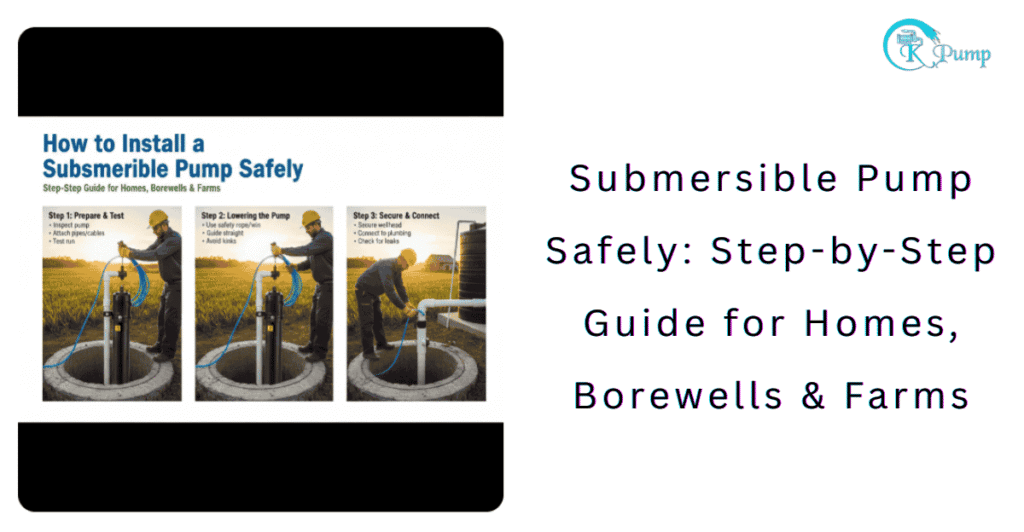
Installing a submersible pump safely is not just about lowering the pump into a borewell and switching the power on — it requires the same careful approach followed by any water pump manufacture , Plumber Expert or submersible water pump manufacture to avoid issues that can lead to motor damage, cable faults, electric shock risks, or reduced pump lifespan. Whether you’re installing a pump for domestic water supply, agricultural irrigation, industrial use, or groundwater extraction, following a methodical and safety-first approach helps ensure stable performance and long service life.
Before starting, understand that a submersible pump works underwater, which means proper cable protection, pipe fitting, cooling, and grounding are crucial. Below we break down safety checks, tools, installation steps, electrical guidelines, testing, and common mistakes, so even first-time installers can follow confidently — but always consult a certified electrician for wiring.
Why Safe Installation Matters
A poorly installed pump may:
Burn out due to dry-run or voltage drops
Get damaged by high sediment, friction, or water hammer
Create leakage or electric hazards
Consume more power than required
Deliver low water output despite adequate depth
Safe installation increases efficiency, durability, and power savings — especially when paired with reliable pump brands like CK Pump, engineered for stable water flow and long-term performance.
Tools & Materials Required for Submersible Pump Installation
Make sure you have:
Submersible pump with motor
HDPE or GI delivery pipe
Safety wire (stainless steel recommended)
Submersible flat cable (ISI standard)
Control panel with MCB, voltmeter & overload protection
Non-return valve (NRV)
Cable ties / insulation tape
Borewell cap and clamps
Water level rope or depth marker
Pro Tip: Use branded, certified wiring. Cables are the first failure point when compromised.
Step-by-Step Guide: How to Install a Submersible Pump Safely
1. Measure Borewell Depth & Water Level
Find total bore depth and static water level
Pump should sit 15–20 feet above the bore bottom to avoid sediment intake
Maintain a gap to prevent sand abrasion and motor overheating
2. Attach Delivery Pipe & NRV
Fix the non-return valve on pump outlet
Connect HDPE delivery pipe securely using clamps
Make sure joints are leak-proof to avoid pressure loss
Safety Note: A missing NRV causes backflow pressure on the pump — a common reason for impeller failure.
3. Secure the Pump with Safety Wire
Wrap stainless steel safety wire around lifting eye of pump
Tie it alongside the pipe at 1-meter intervals
Do not leave slack — vibrations can wear the cable jacket
This prevents the pump from falling into the borewell if the pipe weakens.
4. Connect Electrical Cable Properly
Use waterproof cable joints or epoxy resin joints
Avoid temporary tape joints — they fail underwater
Fix the cable along the pipe using UV-resistant ties
Electrical Safety Warning:
Electricity + water = dangerous.
Only trained electricians should connect the pump to the panel.
5. Lower the Pump into the Borewell Slowly
Lower gradually while holding pipe and safety wire together
Avoid scraping the pump body against borewell walls
Check alignment frequently — tilting can affect performance
Once the pump reaches the chosen depth, lock safety wire on top and cap the borewell.
6. Connect to Pump Control Panel
Your control panel must include:
MCB for protection
Contactor & Overload Relay
Volt & Amp meter
Start capacitor (if applicable)
Dry-run protection (recommended)
Dry-run protection automatically cuts power when water level drops, preventing burning of motor coils.
7. Priming & First Run
Ensure the delivery pipeline is filled
Turn ON power and observe initial pressure
Check for vibrations, noise, or sparks
Water flow should stabilize within 20–40 seconds
If flow fluctuates, turn OFF and recheck joints & depth.
Safety Checklist Before First Operation
| Safety Aspect | What to Check | Why It Matters |
|---|---|---|
| Cable insulation | No cuts or exposure | Prevents electric shock |
| Voltage | Stable 200–240V | Avoids motor burn |
| Pipe clamps | Tight & rust-free | Prevent falling |
| Water level | Sufficient | Prevents dry-run |
| NRV | Working correctly | Stops pressure rebound |
| Earthing | Proper grounding | Electrical safety |
Common Mistakes to Avoid
❌ Leaving pump too close to bore bottom
❌ Using low-grade electrical wire or tape joints
❌ Skipping NRV installation
❌ Running pump directly without a panel
❌ Ignoring voltage fluctuations
❌ High bends in pipeline causing friction loss
These issues reduce flow efficiency, increase power usage, and shorten the pump’s lifespan.
Maintenance Tips for Long Pump Life
Check voltage regularly
Clean control panel annually
Inspect cable joints every 6 months
Monitor water level to avoid dry-run
Replace worn-out pipe clamps & NRV periodically
A well-installed pump can perform 8–12 years or more with low maintenance — especially when paired with energy-efficient designs like CK Pump.
When Should You Call a Professional?
Motor not starting or vibrating abnormally
Electric shocks near pump body
Frequent overload tripping
Sediment-filled water output
Sudden drop in discharge
Never attempt internal motor repairs yourself — sealed submersible motors need specialized equipment.
Conclusion: Safe Installation Ensures Top Performance
Learning how to install a submersible pump safely is the foundation of reliable water supply. When you follow correct steps — depth measurement, secure wiring, controlled lowering, and proper electrical setup — you get stable flow, reduced electricity costs, and longer pump durability.
If you’re planning a new installation or want expert guidance, choosing a trusted pump manufacturer ensures support, quality parts, and reliable operation for years.