
Signs Your Water Pump Needs Servicing Before It Fails
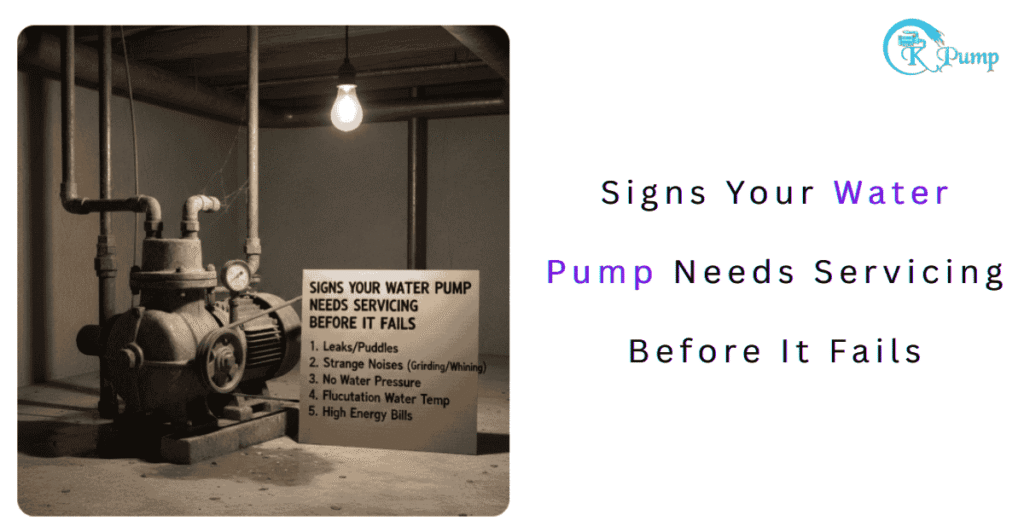
A water pump rarely stops working without warning. In most cases, it gives clear signals—strange noises, pressure drops, higher power bills—but these signs are often ignored until the pump finally fails. Experienced water pump manufacturers know that most breakdowns are preventable if early symptoms are identified and serviced on time. Unfortunately, many users wait until water supply stops completely, when the damage is already bigger, costlier, and sometimes irreversible.
Whether you’re using a submersible pump, openwell pump, or self-priming pump, early servicing is always cheaper than emergency replacement. This guide explains the most common signs your water pump needs servicing, why they happen, and what ignoring them can lead to.
1. Unusual Noises Coming From the Pump
A healthy water pump runs with a steady, predictable sound. If you start hearing grinding, rattling, screeching, or knocking noises, it’s a red flag.
What it usually means:
Worn-out bearings
Shaft misalignment
Loose internal components
Debris entering the impeller
Why you shouldn’t ignore it:
These noises indicate mechanical wear. If left unattended, bearing failure can seize the motor, leading to full pump burnout.
Servicing at this stage often requires minor part replacement, not a new pump.
2. Reduced Water Pressure or Inconsistent Flow
If your pump is running but the water pressure has dropped or the flow keeps fluctuating, something is wrong internally.
Possible reasons:
Impeller wear or blockage
Partial choking in delivery pipes
Internal leakage
Motor not reaching full RPM
What many people assume (incorrectly):
Low pressure is often blamed on municipal supply or borewell depth. But if the issue is consistent, the pump itself needs inspection.
Ignoring this can:
Overload the motor
Increase power consumption
Damage seals and impellers
3. Pump Switching On and Off Frequently (Short Cycling)
Short cycling means the pump turns on and off more often than normal.
Common causes:
Pressure switch malfunction
Air leakage in suction line
Blocked foot valve
Improper priming
Why it’s dangerous:
Each start draws high electrical current. Frequent cycling overheats the motor and shortens its lifespan drastically.
This is one of the strongest indicators that your pump needs servicing immediately.
4. Sudden Increase in Electricity Bills
A rise in power consumption without increased water usage is often overlooked.
What’s happening inside:
Motor working under excess load
Reduced efficiency due to wear
Electrical imbalance or insulation damage
A poorly serviced pump consumes more power to deliver the same output. Over time, this not only increases bills but also risks motor winding failure.
5. Pump Overheating or Burning Smell
If the pump body feels excessively hot or you notice a burning smell, stop using it.
Possible reasons:
Dry running
Voltage fluctuations
Bearing seizure
Internal short circuit
Why this sign is critical:
Overheating directly affects motor insulation. Once insulation fails, repair becomes difficult or impossible.
Early servicing can:
Prevent winding damage
Save the motor
Avoid full replacement
6. Water Leakage Around the Pump
Water leakage—especially near the motor or shaft—is never normal.
Common leakage points:
Mechanical seal
Gaskets
O-rings
Flange joints
What leakage leads to:
Motor moisture ingress
Rust formation
Electrical hazards
Even small leaks should be addressed quickly. Seal replacement during routine servicing is inexpensive compared to motor failure.
7. Pump Running but No Water Delivery
This is a clear warning sign that many users ignore by repeatedly restarting the pump.
Likely causes:
Air lock
Failed foot valve
Blocked impeller
Worn-out internal components
Running the pump dry in this condition can:
Damage mechanical seals
Overheat the motor
Permanently reduce pump efficiency
8. Excessive Vibration During Operation
A pump should stay stable during operation. If it starts vibrating more than usual, something is off.
Common reasons:
Improper alignment
Bent shaft
Imbalanced impeller
Loose foundation bolts
Vibration accelerates wear across all components and can even damage connected pipelines.
9. Delayed Start or Trouble Starting
If the pump struggles to start or takes longer than usual, it’s often an electrical or mechanical issue.
Possible causes:
Capacitor weakening
Voltage issues
Bearing friction
Internal motor resistance
This is an early sign—perfect timing for servicing before major failure occurs.
10. Age of the Pump and Missed Maintenance
Even if none of the above signs are obvious, lack of periodic servicing itself is a risk.
General servicing recommendation:
- Domestic pumps: once a year
- Agricultural / industrial pumps: every 6 months
- Heavy-duty usage: as per operating hours
Routine servicing includes:
- Bearing inspection
- Seal replacement
- Electrical testing
- Performance efficiency check
What Happens If You Ignore These Signs?
Ignoring early warning signs usually leads to:
Sudden pump failure
Water supply disruption
Expensive emergency repairs
Complete motor burnout
In many cases, pumps that could have been serviced end up being fully replaced.
Why Preventive Servicing Matters
Preventive servicing:
Extends pump life
Maintains efficiency
Reduces electricity consumption
Prevents unexpected downtime
A well-maintained water pump doesn’t just last longer—it works smarter and safer.
Final Thoughts
A water pump doesn’t fail overnight. It communicates problems early—through sound, heat, vibration, pressure loss, and energy usage. The key is noticing these signs and acting before damage becomes permanent.
If your pump shows even one or two of these symptoms, don’t wait for total failure. Timely servicing can save money, energy, and long-term inconvenience.